Nartak Media Group Logo – Advertising Agency Pittsburgh



The advent of the DVR, a digital video recorder, had advertising professionals concerned over the future of TV advertising. But with streaming’s impact on DVR usage, many now wonder: are DVRs still relevant in today’s media landscape? Would viewers speed through the commercials, missing the brand awareness and messaging? This blog will reveal interesting results from studies.
Surprisingly, DVR penetration of households has fallen shorter than originally anticipated. A recent consumer-technology study of U.S. households by Forrester Research showed DVR usage is on the decline. Much of this is in response to TiVo and the like. This shift highlights the streaming impact on DVR usage, as more households now prefer on-demand platforms over recorded TV.

The answer may surprise you. Sports, Olympics, news, special events, and annual broadcasts such as award shows and political debates are always better viewed live.
Almost half of the adults surveyed prefer live TV or at least default to that first before going to recorded content. That’s how they watch TV. A smaller percentage do watch recorded programs. Whether this is by habit or for some other reason, such as the ongoing popularity of reality television that enables viewers to interact by casting votes, is undetermined. While some viewers still rely on DVRs, the rise of streaming platforms has changed viewing habits, raising questions like: are DVRs still relevant for the average household?
DVR users tend to be younger and more affluent—often the exact demographic an advertiser is targeting. More than half of DVR users are under 45 years of age. However, because only one show can be recorded at a time, plenty of viewers are still viewing TV live.
On the flipside, some studies reveal that because of DVRs, the commercials are being viewed by the target market more often. Without the ability to prerecord certain shows that aired while viewers were away from the home, viewers may not have seen the commercials anyway. Now, more viewers are able to see the programs they want to see.
Could it be that a primetime commercial can rise in the days following the broadcast—thanks to DVR usage? Perhaps this lift, which has been shown to hold steady over the recent years, can actually help advertisers.
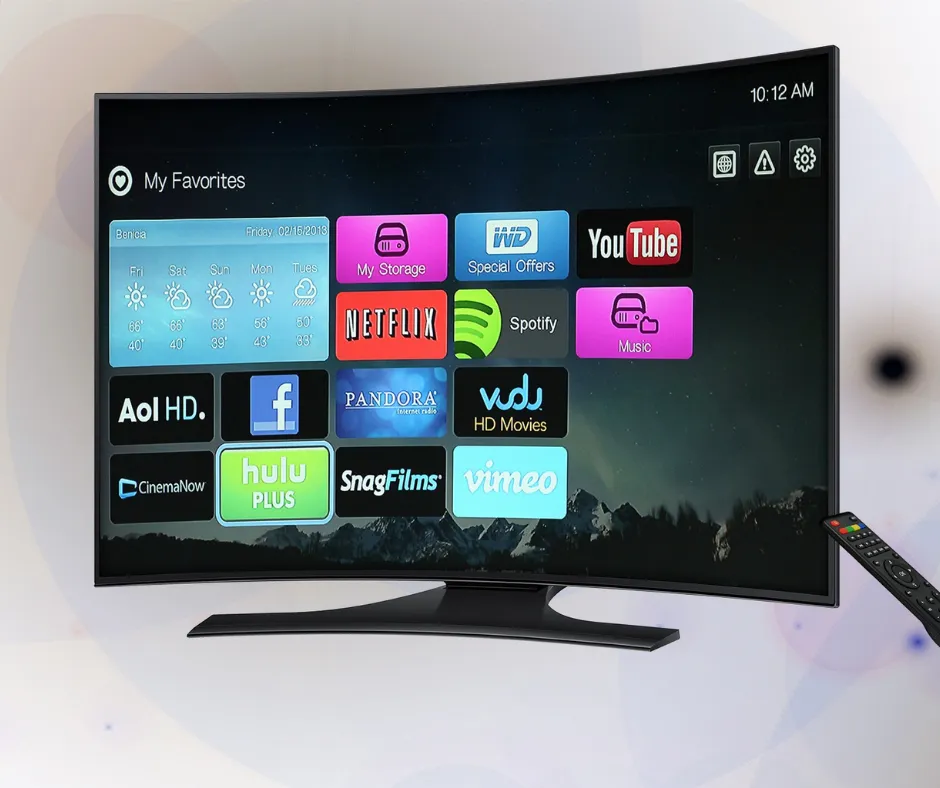
The biggest factor shaping the future of DVRs is the explosive growth of streaming platforms. Services like Netflix, Hulu, and Disney+ offer on-demand content without the need to record shows in advance, which directly impacts DVR usage. Viewers who once relied on DVRs to catch their favorite programs can now stream them anytime, anywhere.
This shift raises the question: Are DVRs still relevant in an age where streaming dominates? While DVRs still serve households that prefer traditional cable, the convenience and flexibility of streaming make them less essential. For advertisers, this means strategies must adapt, balancing the decline of DVR with the opportunities streaming provides.
More targeted advertisements are the way to go. For example:
Want to learn more about how Nartak Media Services can leverage television advertising for you today? Call us for more information.