How Long Does SEO Take To Work? Understanding the Process and What to Expect

If you’ve ever asked yourself, “how long does SEO take to work?”, you’re not alone. It’s one of the most common questions businesses have when investing in search engine optimization. The short answer is that SEO takes time, but the long-term results are worth the wait.

Unlike paid advertising, which can deliver immediate traffic, SEO is a long-term strategy designed to build sustainable visibility, credibility, and growth. Understanding the timeline and what influences it can help set realistic expectations and guide smarter marketing decisions.


How Long Does SEO Take To Work? The Short Answer

In most cases, businesses begin to see initial SEO results within 3 to 6 months, with more significant growth happening between 6 to 12 months.

However, “results” can mean different things depending on your goals:

  • Improved keyword rankings
  • Increased website traffic
  • More qualified leads and conversions

SEO is not a one-time effort. It builds momentum over time, meaning the longer you invest in it, the stronger your results become.


Why SEO Takes Time

Search Engines Need Time to Crawl and Index

Search engines like Google need to discover, crawl, and index your website pages before they can rank them. Even after updates are made, it can take time for those changes to be recognized and reflected in search results.

Competition in Your Industry

If you’re in a highly competitive industry, it will take longer to outrank established competitors. Local businesses may see faster results than national brands, but competition still plays a major role.

Building Authority and Trust

Google prioritizes websites that demonstrate expertise, authority, and trust. This is built over time through high-quality content, backlinks, and consistent engagement.

Algorithm Updates and Ranking Factors

Search engines are constantly evolving. SEO strategies must adapt to algorithm updates, which can influence how quickly results appear.

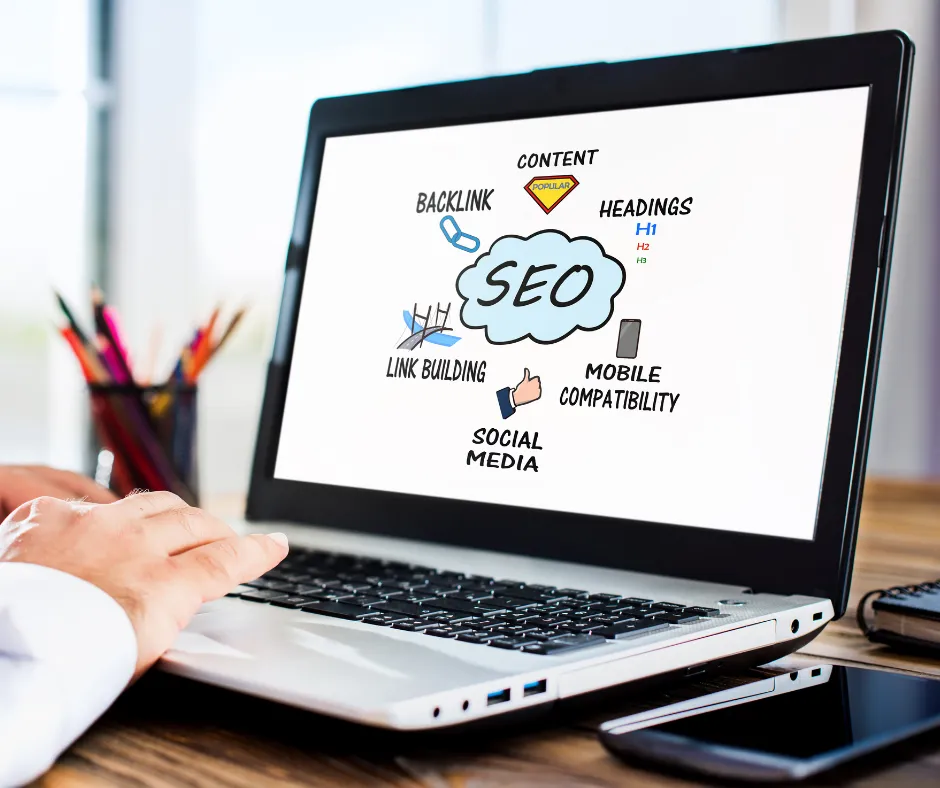
searching

What SEO Progress Looks Like Month by Month

Months 1–3: Foundation and Setup

  • Website audit and technical fixes
  • Keyword research and strategy development
  • Initial content optimization and creation

Months 3–6: Early Growth

  • Improvements in keyword rankings
  • Increased impressions and website visibility
  • Early traffic gains

Months 6–12: Stronger Results

  • Noticeable growth in organic traffic
  • Higher rankings for competitive keywords
  • Increased leads and conversions

12+ Months: Long-Term Success

  • Consistent traffic and authority
  • Continued growth with ongoing optimization


Common SEO Myths

“SEO Works Instantly”

SEO is not an overnight solution. It requires consistent effort and strategic execution over time.

“Once You Rank, You’re Done”

Maintaining rankings requires ongoing optimization. Competitors are always working to outrank you.

“More Keywords Means Faster Results”

Focusing on the right keywords and search intent is far more effective than targeting as many keywords as possible.

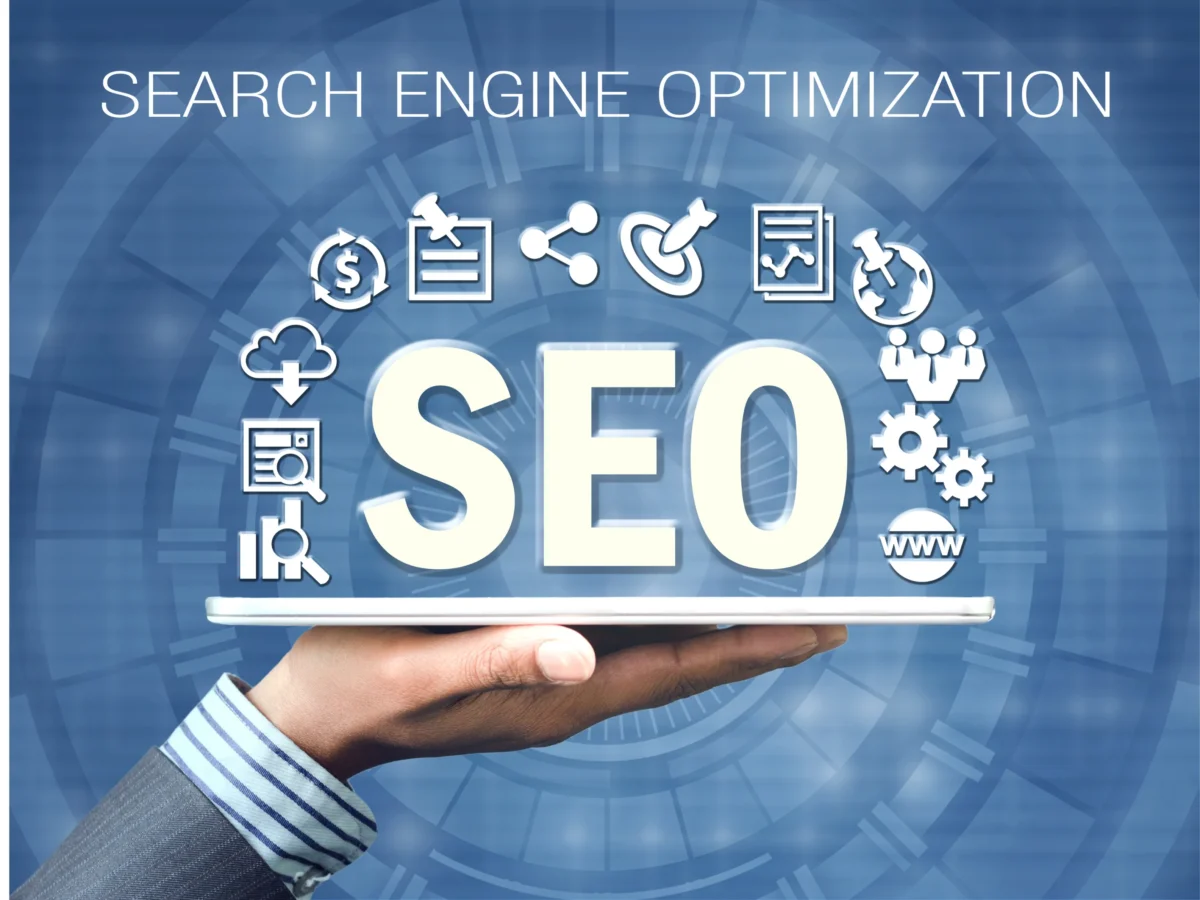
seo

FAQs: How Long Does SEO Take To Work?

Why is my SEO taking so long?

High competition, technical issues, or inconsistent strategy and content efforts can cause delays.

Can SEO work faster for local businesses?

Yes, local SEO campaigns often deliver faster results than national campaigns.

Is SEO a one-time effort?

No, SEO requires ongoing optimization, content updates, and monitoring to maintain and improve rankings.

How do I know if my SEO is working?

You can track progress through keyword rankings, website traffic, and lead generation over time.


Ready to See Real SEO Results?

If you’re ready to build a strategy that delivers long-term success, Nartak Media Group is here to help. Contact our team today to get started with a customized SEO plan designed to grow your business.

How Do PPC And SEO Work Together?

If you have ever asked, how do PPC and SEO work together, you are not alone. Many business owners assume Pay Per Click advertising and Search Engine Optimization operate as separate marketing tactics. In reality, they are most effective when aligned under one strategy.

At Nartak Media Group, integrated search strategies are built to connect paid and organic efforts, so brands gain stronger visibility, attract qualified traffic, and generate measurable results. Understanding how PPC and SEO support one another helps businesses make smarter investments and achieve sustainable growth.


What Is the Difference Between PPC and SEO?

Before exploring how PPC and SEO work together, it helps to clarify how each channel functions independently.


What Is SEO?

SEO, or Search Engine Optimization, is the process of improving a website so it ranks organically in search engines such as Google and Bing. This involves website improvements, keyword research, content development, and on-page optimization. The goal is to increase visibility without paying for each click.


What Is PPC?

PPC, or Pay Per Click advertising, allows businesses to bid on keywords and display ads at the top of search engine results pages. Advertisers pay only when someone clicks on the ad. Platforms such as Google Ads and Microsoft Ads allow for precise audience targeting, geographic targeting, and messaging control.

PPC provides immediate visibility and fast traffic. While SEO requires time to gain momentum, PPC can generate leads as soon as campaigns launch.

what is PPC

How Do PPC and SEO Work Together?

When strategically aligned, PPC and SEO enhance each other in measurable ways.


Shared Keyword Insights Strengthen Strategy

One of the most powerful ways PPC and SEO work together is through shared data. PPC campaigns generate real-time keyword performance insights. Marketers can quickly see which keywords drive conversions, which ad copy generates clicks, and which landing pages perform best.

This data becomes extremely valuable for SEO. High-converting PPC keywords can be prioritized for organic content development, blog creation, and service page optimization. Instead of guessing which terms may perform well organically, businesses can rely on real performance data.

At the same time, SEO research often uncovers long tail keywords with strong intent but lower competition. These terms can be incorporated into PPC campaigns to improve efficiency and reduce cost per click.


Dominating More Space on Search Results Pages

Another important answer to how do PPC and SEO work together lies in search engine visibility. When a business appears in both paid ads and organic listings, it occupies more real estate on the search engine results page.

This increased visibility builds credibility. Users are more likely to trust brands that appear multiple times within the same search results. Click-through rates often increase because searchers perceive the brand as established and authoritative. 

search results


PPC Supports SEO During Growth Periods

SEO is a long-term strategy that requires consistency and patience. Rankings improve gradually as authority builds. During this growth phase, PPC serves as a bridge by driving immediate traffic and leads. Once SEO rankings strengthen, paid budgets can be adjusted strategically to focus on highly competitive keywords or high-value service areas.


Faster Conversion Optimization

Landing pages play a critical role in both PPC and SEO performance. PPC campaigns provide a rapid testing environment for headlines, calls to action, layout structure, and lead forms. Because paid campaigns generate traffic quickly, marketers can identify winning variations in a short timeframe.

Those insights can then be applied to organic landing pages and blog content. Improving conversion rates across all traffic sources amplifies overall marketing return and creates a more cohesive user experience.


Retargeting Increases Brand Recall

Organic traffic does not always convert on the first visit. PPC retargeting helps bridge that gap. When a user discovers a business through an SEO optimized blog post and leaves without taking action, paid retargeting ads can reintroduce the brand and encourage conversion.


FAQs: 

Is it better to invest in SEO or PPC?

The strongest strategy often includes both. SEO builds long term authority and cost-efficient traffic over time. PPC provides immediate visibility and lead generation. Aligning both ensures consistent performance across different stages of the buyer journey.


Does running PPC improve SEO rankings?

PPC does not directly influence organic rankings. Search engines do not increase rankings because of paid advertising. However, PPC provides valuable data that improves keyword targeting, messaging, and conversion optimization, which strengthens overall marketing effectiveness.

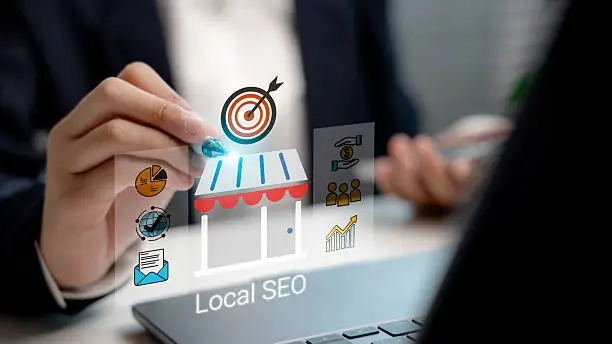
local seo


How do PPC and SEO work together for local businesses?

Local businesses benefit from SEO through organic rankings and map visibility while using PPC to target high-intent local searches. Location-based targeting ensures ads reach users within a defined geographic radius. Combining both strategies increases exposure within competitive local markets.


Why Integration Matters in AI-Driven Search

Search behavior is evolving as AI-driven platforms shape how users discover information. These systems prioritize clear, structured content and authoritative domains. SEO provides the content foundation that AI systems reference and summarize.

PPC reinforces brand recognition and credibility by increasing exposure across multiple touchpoints. Businesses that combine organic authority with paid visibility build stronger digital signals, which improves performance in both traditional search engines and AI powered results.

Nartak Media Group specializes in integrated digital marketing strategies that align SEO and PPC to maximize results. Instead of treating them as separate services, we connect keyword research, messaging, reporting, and performance insights into one cohesive plan.

If you are asking how do PPC and SEO work together, the answer is clear. They work best when guided by a unified strategy designed to drive immediate impact while building long term authority.

Nartak Media Call to Action - CTA saying "let's talk"

Types of Search Engine Marketing: Paid Search, Organic, and Everything in Between

Getting business recognition online requires a wide range of approaches, from organic to paid ads, all under one umbrella called Search Engine Marketing (SEM). These methods share the same goal: using a search engine to connect your business with customers. 

Read on to learn more about the SEM, the different types of search engine marketing, and how to choose the proper way for your business. 


What Is Search Engine Marketing (SEM)?

SEM vs. SEO: What’s the Difference?

Search engine marketing (SEM) is any strategy that helps your website appear in search results when people look for topics related to what you offer.

By using SEM effectively, businesses can get their product or service to show at the top of search engine result pages (SERPs) — this is where a lot can happen, from searching for what they’re looking for to finding your site, potentially making a purchase decision, and becoming your customer. 

Now, when it comes to digital marketing, you may also have heard about SEO and PPC. How do they differ from search engine marketing?

Both are part of search engine marketing.  S

EO is an organic process of improving your site’s visibility through creating high-quality content that answers people’s questions, fixing technical issues, such as site speed and mobile-friendliness, and building credibility through backlinks from reputable sites.

PPC, or paid search, on the other hand, is where businesses bid on keywords to have their ad appear at the top or bottom of the results page, usually marked as “Sponsored.” More on this in the next section. 


What is Paid Search (PPC)?

paid searchPPC advertising requires businesses to bid on keywords relevant to their product or services.

When someone searches for those terms, your ad has the chance to appear in the prime spots on the search engine results page. The word pay-per-click means you’ll only be charged when users click your ad.

So, if you see an ad on Google with the “sponsored” tag, that’s a PPC ad–and those businesses will get charged when you click on their advertising. Unlike SEO, where visibility is gained organically, with PPC, you’re essentially buying your spot to increase visibility. 

Running a PPC campaign is more than just setting a budget to show your ads. There are other key elements to consider: Keywords, ad copy, landing pages, bids and budgets, and platforms. 

Keywords: These are the search terms you want to target when customers make inquiries. For example, “best running shoes,” “organic market near me,” etc. Tools such as Google Ads help suggest keywords based on search volume. 

Ad Copy: This is the actual ad copy. Include headlines, descriptions, offers, links, and call-to-action buttons. When creating an ad copy, ensure it’s attention-grabbing, concise, and includes a clear call to action. 

Landing Pages: The page customers first “land” on when they click your ad. The page is usually where the offers in your ad copy appear. It needs to be fast-loading, mobile-friendly, and easy for users to find everything they need to convert them into buyers. 

Bids and Budgets: When you bid on a PPC, you set a maximum per-click and campaign budget to help control spending. Businesses use automated bidding and AI to maximize conversions and optimize ad spend. 

Platforms: Many are available. However, the big one is, of course, Google with billions of potential reach. However, there are also other options, such as Microsoft (Bing and Yahoo) and Amazon Ads. 

When Does Paid Search Make Sense?

If you need quick leads or sales, want to target high-intent keywords (such as “near me, “buy,” and “book now”), or are launching a new product and entering a new market, a paid search is preferable. PPC is the quickest way to get your business front and center when people are actively looking for what you offer.


What is Organic Search (SEO)?

seo marketingUnlike PPC, where you pay to get your brand on search engine result pages, with SEO, you have to earn your way to the top.

As we mentioned earlier, this is done in various ways, including ensuring your site is free of technical glitches, improving site speed, and including helpful, relevant content that addresses customers’ questions, concerns, and needs. All these steps make it easier for search engines to crawl your site, find the information that customers are looking for, and rank it higher on SERPs. 

There are three core pillars in search engine optimization: On-page, technical, and off-page SEO. 

On-page SEO refers to practices directly on individual pages that you control—for instance, optimizing headings and title tags, creating high-quality content, adding image alt text, and using clean URLs and internal links. All these steps make it clear to the search engine what your page is all about. 

Technical SEO is the backend part of ensuring your site is on point. For example, ensuring the pages load, the site is mobile-friendly and responsive, and has proper XML sitemaps. This ensures search engines can smoothly access and crawl your site.  

Off-page SEO means building website authority and trust outside the site itself. Off-page SEO best practices include earning backlinks from reputable sources. Growing your reputation can be done through content shared through social media, having partnerships, and guest posting.  

The Benefits of SEO

Although the results of search engine optimization may take longer than PPC, once it starts working, the advantages can stack up and be long-lasting.

For instance, SEO efforts continue to deliver visitors month after month, year after year. Once your pages rank well for the right keywords, that traffic flows in without ongoing payments. 

Furthermore, although SEO does require some investment, such as creating content or hiring SEO experts, there’s no pay-per-click involved. As your rankings improve, the cost per visitor ultimately comes out lower than with PPC.

Lastly, one of the most significant advantages is that people tend to trust organic content more, as they know it’s earned, not bought. Building this trust can lead to better engagement and loyalty, helping keep customers coming back. 


“In Between” Search Marketing: Everything Beyond Traditional Paid vs. Organic

google search engine

Remarketing and Display Campaigns

Remarketing or retargeting is similar to paid advertising in that you pay to have your ads appear. However, it’s more personalized and timely as remarketing ads are shown to people who have already visited your site.

For example, if a user has visited your site to buy shoes but didn’t buy them, they can be shown the same product ads later with a more compelling offer, such as a discount code. A display campaign is the counterpart to text-based ads, using images, videos, and interactive banners. 

Retargeting ads can follow users around different sites and even on social media. This type of search engine marketing can be done using Google Analytics or Google Tag Manager to track visitors. 

Shopping Ads and E-Commerce Search

Shopping ads, as the name suggests, are visual product listings that appear at the top of Google search results, on YouTube, in Gmail, and on other platforms.

They often include pictures, prices, ratings, and other essential information. Shopping ads are powered by platforms like Google Shopping, where you upload your product feed, and ads are created automatically based on searches. 

Shopping ads blend the intent of search, use SEO practices to target the audience effectively, and excel in visual appeal, making it a popular go-to method for retailers looking to boost online visibility. 


How to Choose the Right Types of Search Engine Marketing for Your Business

Deciding on which types of search engine marketing isn’t a one-way route. 

Choosing which methods to pursue should always be based on your goals, both short-term and long-term. What’s crucial is to take the first step of defining your objective clearly. Once you have that figured out, match those goals with the right tactics. 

Use paid search if you need fast results with a short timeline, for example, lead generation, seasonal promotions, product launches, or testing new markets. With PPC, you get immediate top-of-page visibility, precise targeting, and full control over messaging.

Search engine optimization, on the other hand, suits businesses that want sustainable growth, build brand trust, establish authority, and drive consistent traffic without ongoing spend. SEO requires patience, but with effective implementation, it’s worth the wait. 

Use remarketing and shopping ads when you have site traffic (from paid or organic) but need to boost conversions…cart abandoners, past browsers, or seasonal shoppers. They extend reach visually and personally, often converting better than standard text ads for products.

These methods shine for nurturing and closing warm prospects.


How Nartak Media Group Can Help You Build a Search Engine Marketing Strategy

Although there are clear steps for achieving an effective SEM strategy, we understand that different businesses have different goals and preferences. As a result, one-off tactics will not always work. Therefore, with Nartak, we provide a holistic SEM strategy, applying the best search engine marketing practices with a tailored focus approach that aligns with your needs, audience, budget, and end goals. 

Contact our team today, and let’s start the journey of getting your brand out there and connecting with your audience!  

Nartak Media Call to Action - CTA saying "let's talk"


How Does SEO Fit into a Marketing Strategy?

The first instinct when something pops into the minds of modern-day people is typing those into their trusted search engine—whether it’s the best project management software or simply the best coffee shop in Pittsburgh—making marketing and SEO inseparable. In order to be visible in a very crowded digital landscape these days, your business should be right where the audience is searching, and that’s where SEO comes in. However, beyond getting to the top of the lists of every search engine, SEO is about building trust and credibility among modern-day customers. 

But how do marketing and SEO fit in practice? Here, we’ll have it broken down for you. 


Understanding SEO’s Role in a Marketing Strategy

What is SEO?

Before diving into how marketing and SEO fit together, let’s address what it is. It stands for Search Engine Optimization, a process to increase the visibility of your website on search engines by optimizing the performance, content, and keywords. In fact, this article itself is the perfect example of an SEO in action. Structuring our content with clear headings and naturally relevant keywords, all while providing valuable information for you. 

When people are looking for insights on marketing and SEO, our page will be easily found online as it has been ”optimized” through those processes we discussed earlier. But why is it important? A higher ranking on search engines obviously means more visibility, which is highly beneficial for your business since most people rarely go past the first page of results. If your business isn’t showing up on top, you could really miss out on valuable opportunities. 


Why SEO is a Core Component of Marketing

We can’t separate marketing and SEO simply because visibility is everything. Unlike paid ads, which stop driving traffic the moment you turn them off, SEO provides consistent, long-term results. A ‘well-optimized’ website will naturally attract organic visitors to your website for months to even years, making it a cost-effective marketing strategy for your business.   

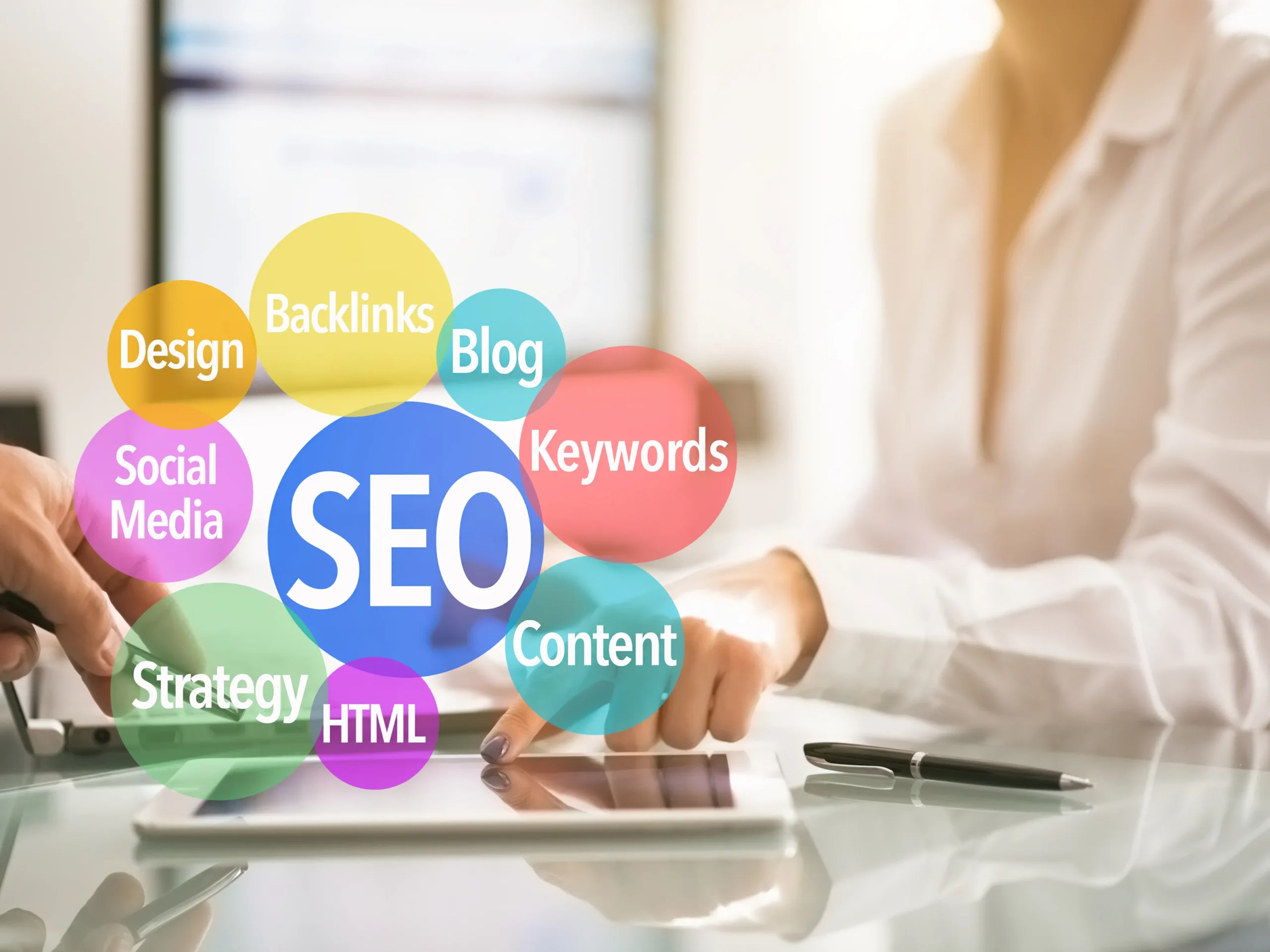
Woman pointing at tablet that is showing SEO connection

When your business ranks at the top of search results, especially without the ‘sponsored’ word above it, users will most likely think of it as being credible and trusted. People will believe that an organically high-ranked business has earned its place through quality and relevance, unlike paid ads, which automatically put the business on the top of the list without anything backing it up whatsoever.  


The Relationship Between SEO and Other Marketing Channels

SEO and Paid Advertising (PPC)

Even though SEO and paid-per-click (PPC) advertising seem like the opposite strategy, they actually work best when combined. These two rely on keyword targeting; hence, your business can use PPC data to refine its SEO strategy. For instance, testing for different ad copies in the PPC strategy can give you better information on which keywords and headlines attract the most clicks that you can use in optimizing your organic content. 

Unfortunately, while delivering instant results, PPC can be costly, and its results (being at the top of search results) are heavily dependent on your ability to pay. On the other hand, SEO will build you long-term visibility without the ongoing ad spend. To make the best of both, however, you can cover your short-term goals with PPC and invest in sustainable growth through SEO, which will benefit your business in the long run.


SEO and Social Media Marketing

While social media doesn’t directly influence search rankings, it provides indirect benefits by increasing reach, engagement, reach, and backlinks. For example, when a website or blog post is shared on platforms like Twitter, LinkedIn, or Facebook, it will drive more visitors to the website. More visitors equals more traffic and engagement, signaling that your content is valuable to the search engines. 

people looking at social media graphics on tablet

Social media also significantly leads to more backlinks. For example, in a caption, a marketing agency shares a LinkedIn post like “Want to improve your marketing and SEO? Check out our latest guide on this link!”. As this kind of post gains traction, industry experts who find it valuable will link it to their content, boosting SEO rankings. 


SEO and Content Marketing

Without high-quality, optimized content, SEO simply wouldn’t work. However long or many keywords you use in your content, it won’t reach the top of the search unless you have relevant, well-structured, and, more importantly, valuable content, as every search engine prioritizes these things. Hence, these three have become the core foundation of any successful marketing and SEO strategy. 

Several different kinds of content, like videos, infographics, and blogs, can help optimize your website. An engaging video can dwell time, making people spend longer time on your website and signal to the search engine that your website is valuable, whereas a well-written blog can be a medium where you insert keywords that’ll increase your visibility. A little different from the rest, infographics can increase the chance of a higher rank by generating backlinks. 


SEO and Traditional Advertising

Since the first two letters are ‘Search Engine,’ most people think SEO is limited to digital strategies only. But that can’t be further from the truth. Traditional advertising like TV, radio, and print ads can significantly affect the search demand. As we said earlier, the first instinct when your brand’s name pops into the minds of modern people because they heard or see it from traditional ads is to search for it online and look at your website.  

The benefit also goes the other way around, which is why it’s good to have a mix of both. With SEO, you can measure your impact on offline marketing through search trends, direct traffic, and brand key performance. If there’s a significant increase in brand-related searches after the launch of a traditional ad campaign, that means you have successful traditional ads.


How to Integrate SEO Into Your Marketing Strategy

Integrating marketing and SEO together requires a strategic approach. Here’s how to make SEO a seamless part of your marketing strategy: 

person using laptop and tablet for keyword SEO research

  • Setting Clear Marketing Goals: Before anything, set a clear goal on what you want to achieve with SEO. It could be improving brand awareness, increasing website traffic, or generating leads. 
  • Keyword Research & Targeting: Do your homework by identifying the right keywords that a lot of your potential customers are searching for. Then, incorporate these keywords naturally to attract organic traffic.  
  • Optimizing Website & User Experience (UX): Also, improve your website’s load times and responsiveness while making it friendlier for users to create higher engagement and conversions.  
  • Tracking & Measuring SEO’s Impact: Once you’ve optimized your website, use analytics tools to track your performance, keyword rankings, and traffic sources so that you can refine your strategy and ensure all those efforts are really effective. 


The Long-Term Benefits of Combining Marketing and SEO

SEO is your go-to strategy for sustainable growth. Unlike paid ads that stop generating traffic once the budget runs out, SEO will continuously attract organic visitors in the long run. Also, no effort will go to waste as every effort you put into optimizing your website through valuable content like blog posts, engaging videos, or infographics has a compounding effect, gradually increasing your website’s authority and search ranking. 

That’s why your business should see SEO as an ongoing investment rather than a one-time fix. By committing to mixing other marketing and SEO, you can ensure steady improvement of visibility, credibility, and growth in this modern digital landscape. However, remember that search algorithms evolve, customer behavior changes, and competition shifts. Hence, you need to refine and update your strategy continuously, too. 

person looking at seo performance on laptop


Contact Nartak Media Group For Your SEO Strategy

Successfully integrating marketing and SEO requires expertise, strategy, and ongoing effort. From keyword research to content creation and website optimization, every step plays a crucial role in improving your brand’s visibility and long-term success. If you’re ready to take your business to the next level with a results-driven SEO strategy, Nartak Media Group is here to help. Contact us today, and let’s build a powerful online presence together!

Nartak Media Call to Action - CTA saying "let's talk"