What Effect Did The Pandemic Have On Print Media Marketing? 

The pandemic has had an impact on every other corner of our lives but as marketing professionals, we must ask ourselves, did it completely kill print media? As digital marketing is taking the world by storm, some would assume that print media has gone extinct. We are here to tell you, that it has not. 

Why Print Media Is Still Relevant?

There are many businesses that question the viability of print media when many newspapers and magazines are transitioning online and social media is taking over. But, print media is not dying, it is merely evolving. 

Print media is still making its way into our lives whether we want to believe it or not. If you have ever seen a billboard or poster driving to the grocery store, or accepted an informational brochure about your dream vacation, then you have exposed yourself to print media. It is still everywhere.

print media

The Effects of the Pandemic

It is well known that print media has been on the decline for years now. The industry itself is changing and COVID-19 exemplified that change. Even though change is not a bad thing, we are finding that there are many consumers out there that prefer to consume information through physical print.

Consumers to this day find print ads to be more trustworthy. According to a consumer survey, 42% percent said that print advertising was either somewhat or very trustworthy. In comparison, only 29% answered the same for search engine advertising and a meager 18% trusted internet websites. This showcases how consumers’ trust still leans towards the print media. They tend to become wary of online advertising (especially if they are not familiar with the brand) and this is made obvious by how many people utilize ad-blocking software.

print media

Especially with the rise of the pandemic, we can see how consumers began relying on print media. Believe it or not, during quarantine more people began reading again. Reading regained traction and this can be seen by the dramatic increase in print and digital subscriptions. 

As the media is evolving, we are seeing the print media industry evolve as well. Studies have shown that when print media is used heavily in omnichannel mixes. The collaboration of omnichannel mixes shows that print is actually boosting digital channels to help them score impressively high audience engagement and brand awareness. In all actuality, digital media needs print media to exist. 

Even with the hit of COVID-19 and the decline of the print industry, print media is still a very lucrative business. In the United States, the total ad spend surpasses $60 billion in 2020. 

Ending Note

When questioning if traditional print media is dead in the marketing industry, it would be a resounding NO. There are still plenty of ways to reach your target audience through traditional print. Overall, print is trustworthy, a brand booster, a breath of fresh air, and evolving with the times.
 

Where to Use a Logo: The Ultimate Checklist

Now that you’ve designed the perfect logo for your business, where are the best places to use it? You need to ensure customers start recognizing your brand and build a sense of brand loyalty. One of the best ways to get your logo out there is to make sure that it is seen as much as possible. Here is a checklist on where to use a logo for the best marketing campaign.

Where to Use a Logo:

Blogs and Websites

example of website on a computer showing where to use a logo

These days it’s common knowledge that your business should have a website because this helps customers learn more about your brand. It is also a practical way for your clients to contact you but have you considered it as an integral part of your branding campaign?

Your logo should be visible on every page of your website and don’t forget to use the logo colors for branding in your design. This creates a sense of unity between all content and repeating those hues will help consumers associate them with your brand.

Business Cards and Flyers

examples of business cards showing where to use a logo

Using business cards might seem very old-school, but it is a dynamic way to have your logo seen and to provide a personal touch after a one-on-one meeting with a customer. Business cards can easily be slipped into gift bags or attached to promotional materials, so their application is diverse.

Other print media such as flyers can be a good marketing tool if used correctly. Even though digital marketing is very popular these days, a branded flyer can still be powerful. Adding a promotional code that unlocks a special discount to be redeemed on the website can gain you easy leads and increase your website traffic.

Outdoor Marketing

example of outdoor marketing showing where to use a logo - man riding bike in front of advertisement

Signs and banners go a long way in advertising for your business and are excellent surfaces to display your logo. You need to use the opportunity of catching people’s eye when they drive or walk past. Using bright colors that are visible from a distance is most effective. Banners are portable and can be moved to where you need them easily, helping you showcase your brand at trade shows or other events off your premises.

A banner ad in a digital sense refers to a rectangular graphic that stretches across the screen of a device. These banners can be added to your website or any online media. As these are image based, it’s a perfect way to advertise your logo online and a very popular form of online advertising.

Merchandise

example of merchandise showing where to use a logo - lady packing merchandise to be mailed

Having your logo appear on your products is essential as it will help build brand recognition quickly since customers take those products home with them. If a customer is happy with the product linked to your logo and brand, he or she will seek it out and the logo is how they’ll know it’s the same one as before. Therefore, your packaging requires expert design work.

Additional ideas for logos on merchandise for optimal exposure:
⦁ Add stickers to boxes
⦁ Use custom designed wrapping paper
⦁ Let product name designs fit well with your company logo so packaging designs doesn’t seem disjointed

Correspondence & Accounting

example of documentation to show where to use a logo - person writing on the documentation

Everything you send to your clients should feature your logo. The more you use your logo the easier it will be for your customers to remember your business, so use logo on letterheads for all your emails and subscription lists.

If you’re still using snail mail, use custom stationery. You could even include a free gift such as a pen or t-shirt featuring your logo to make sure they remember your brand while being impressed with the special treatment. A happy customer is a customer that is likely to return.

The same rules apply to invoices and any proof of payments. In store, most customers pop it into their wallets along with their change and don’t think about it again, until they need the product or service the next time around. If they had a pleasant experience the first time, they’ll be more likely to look at the invoice to get your details so they’re assured of the same service.

Even the forms a client may need to complete should feature your logo. Branded documents and stationery create a sense of professionalism and make a business seem more credible.

Social Media

example of social media to show where to use a logo - person on phone in car

All your social media accounts should feature your logo along with posts you create. A powerful way to make sure customers see your logo is to use it as a profile picture. Now you have to make sure this features on people’s news feeds, so comment on relevant information or cover trending topics so more potential customers can see and remember your logo.

Logo use is not only about where you use it, but how you then utilize that platform correctly. Always, repetition is key.

The best way for your brand to be noticed and recognized is to add your logo to anything and everything that your customers will see and come in contact with. Use these helpful tips to get the most out of your logo and take your advertising game to the next level. For more helpful information on where to use a logo or any other advertising techniques, talk to Nartak Media Group today!

Nartak Media Call to Action - CTA saying "let's talk"

Glossary of Common TV Buying Terms

When we work with clients at Nartak Media Group, we understand that paid media comes with a lot of industry slang, so to help our clients gain a better understanding, we’ve put together a glossary of TV buying terms.

TV Buying Terms:

Bookend Approach: This approach is where there is a set of two matching or related commercials. One commercial will play at the beginning of a commercial break and the other will be played at the end of the commercial break. This is best used for companies who want to use repetition to have viewers remember their message. TV Buying Terms: Bookend Approach To TV Commercials

TV Buying Terms Competitive Separation: Competitive separation is the length of time between commercials for the same service or product from a competitor. This is also known as commercial protection in broadcast and typically lasts about 10 minutes between commercials.


Crawl: These are simple lines of text scrolling across the bottom of the screen. They are similar to weather information or secondary headlines found at the bottom of a newscast.

TV Buying Terms: Crawl


Daypart: Dayparting is the act of dividing the broadcast day into parts that are reflective of the demographic and target audience viewership during a segmented period of time, such as early morning.TV Buying Terms ; Dayparting


Fixed Position Spots: These spots are guaranteed positions for TV advertisements that cannot be moved by the provider.

Flowchart: A flowchart is a summary of the information on the medium, placement, budget, and run time of your spot, serving as a roadmap for your spot’s television lifetime.

Frequency: This is the measure of how many viewers see your spot after the initial contact.

Makegoods: Makegoods are rerun credits that are given to an advertiser by the medium, radio station, television station, publication, etc., that are used to compensate for an error in timing, composition, or placement of an advertisement. TV Buying Terms

Reach: This is a term that refers to the total number of different households or people that are exposed to your spot during its run at least one time. This measures how far the spot makes it in reference to the medium and distance.

Spot: This is a catch-all industry term for commercials and advertisements. A regular spot runs from about 30 to 90 seconds, whereas long-form spots can run between 5 and 30 minutes. Long-form spots are more content-rich and tend to be infomercials or pitches.

Zoned Cable Television: Zoned cable television allows networks to air different commercials in specific geographic areas. This means spots can be run on certain shows, channels, and devices. Spots can even be run during on-demand programming.

With a better understanding of television buying terms, you may be thinking that TV advertising is best for your products. If you are interested in TV advertising, the experts at Nartak Media Group are ready to help.

Award-Winning Full-Service Media Agency in Pittsburgh

Nartak Media Group has crafted valuable relationships with the media and can help you create an effective strategy and plan for a campaign to help you meet your advertising goals. Contact us today to discuss TV advertising as well as our selection of digital, print, and radio advertising options.

Advantages of Broadcast TV Advertising

In today’s digital age, where online advertising seems to dominate, traditional broadcast TV advertising still holds a significant edge for many businesses. Let’s explore the key advantages of broadcast TV advertising and why it remains a valuable tool for marketers.

Continue reading “Advantages of Broadcast TV Advertising”

Is it Time For You to Hire a Media Agency?

Advertising is a complex industry. Many times when businesses decide to handle it all in-house, they tend to find that they have taken on more than they can handle. Managing all advertising in-house works for some businesses, but in many cases, it can become an overwhelming and increasingly difficult task. It often can be in the best interest of a company to hire a media agency. In this article, we will explore the key benefits of hiring and agency to run your company’s advertising.

Continue reading “Is it Time For You to Hire a Media Agency?”

Effective TV Advertising Tips

TV Advertising is a powerful tool to help you reach and influence your customers. To help you get the most out of your TV ads, we’ve put together a few tips. Today’s tips are going to deal with options and costs.


TV Commercial Length

If your message is simple and direct…a fifteen second or even a ten second TV commercial might work well. It will cost less to produce, it will cost less to air, it will get repeated more times and will “get into viewers heads” quicker!

Think about commercials that are simple and direct. 1 (800) FLOWERS. SAFE AUTO. 1 (800) GOT JUNK. You may benefit from exposing the audience to your message more times than you would by saying more in each commercial and losing viewers attention and interest.

If you have more to say and need a :30 second commercial, no worries! There are other ways to purchase that :30 second time slot for less.


Stretch Your TV Advertising Budget

The first place you might think about airing a commercial on television is your local 6PM or 11PM Newscast. Those are great places to advertise and reach local viewers. The downside is that demand on those time periods is high (LOTS of advertisers want to be there) and with higher demand comes higher costs.

TV stations have other newscasts you might not think of initially. Newscasts that are highly viewed and can be purchased at a lower cost.

Weekend News

Some TV stations air live, local newscasts on Saturday and Sunday mornings. Many times, these weekend newscasts are highly viewed but cost less than the weekday newscasts. Sometimes the weekend 6PM and 11PM Newscast actually have MORE viewers yet cost less, because weekend demand is less.


10PM Newscasts

Sometimes TV stations that aren’t affiliated with ABC, CBS or NBC air a 10PM News. You may find you can reach a large audience in a 10PM Newscast (when more people are still awake!), usually at a lower cost.


Rotations

Let’s say you’ve identified that you want to reach a daytime audience of mostly women viewers. It might not be as important to you exactly WHICH Programs you purchase as it is HOW MANY times your commercial airs in a day or a week. If that is the case, you can buy “Rotations” at a lower cost. 9A till Noon, Noon until 4PM. 9AM until 5PM. Each station is different. The more flexibility the TV station has in where to place your commercial…the lower you can negotiate the price. Is there a commercial airing on a local TV station that you seem to see again and again…almost every hour? There is a good chance that advertiser is buying “a rotation” as opposed to buying specific programming.


Digital Sub-Channels

Today many TV stations also carry a second channel. You might know them as COZI TV, THIS TV, Me TV, We TV, Comet. These channels usually broadcast older movies, older TV sit-coms and dramas. Hogan’s Heros, Kojack, Columbo, I Dream Of Jeannie, etc. If you have a need to reach an older audience, these sub-channels can be a low-cost option.

These sub-channels have less viewers than the broadcast stations…and it costs far less to advertise on these channels. You may not want the sub-channels like COZI or Me TV to be your main option. But placing a small portion of your budget on one of these “second channels” can still reach valuable viewers and be a good supplement to your main television schedule.


At Nartak Media, we can help you find TV advertising that is right for your business and your budget. With our expertise in media strategy, media planning, and placement, we can help you develop a TV Advertising campaign that fits your needs and budget.

We can also help you create an effective, high quality, professionally produced commercial. You can see some of our TV advertising examples here.

Contact Nartak Media today and we can help you find success with Television Advertising!

Retail Marketing Tips For Building A Stronger Campaign

In the constantly connected digital world, retail advertising is growing, and knowing the right retail marketing tips can make all the difference. To endure this growth, we must realize that digital marketing strategies and tactics are king. Without digital marketing, retailers wouldn’t be able to get the results they need for successful advertising, right?

Not necessarily.

Approaching marketing with a strict digital focus is a misdirection that many retailers and marketing professionals fall victim to. This approach can damage campaigns and will eat up a retail advertising budget quickly.

Digital marketing is an essential component of retail advertising, but to drive reach in the retail industry, there needs to be a strategic combination of a variety of tactics. This combination includes methods that some may think are dead or ineffective and the newer options and vendors that are popping up every day.

The reasons retailers should consider integrated media plans include:

Social Media Ads Get Lost In The Flood Of Information

A social media ad is not likely to spark a sale if a customer has never heard of your brand or if they are unfamiliar with who your company is and what you represent. Customers are flooded with ads and information every day, so applying smart retail marketing tips is key to standing out and reaching new audiences through social media.

retail marketing tips: person scrolling on phone at coffee shop

Initial contact with the customer can be better established by using TV, Radio, and Print. These methods help to better form the top of the conversion funnel for many retail brands. Although these may be deemed outdated by some, these methods are crucial to successful retail marketing campaigns.

TV Commercials Can Effectively Create Desire In The Mind of the Consumer

To connect with your target audience, it is essential to elicit an emotional response. With TV, Radio, and Print, you can do this much more effectively than with other methods. 

From a shiny red sports car whipping around a slick racetrack to a decadent dessert dripping in chocolate, a 30-second visual paired with the right music and voiceover can make customers experience physical hunger or other strong emotional desires that can compel them to buy your product.

Digital video advertising doesn’t pack nearly the same punch as TV and radio when trying to create desire in an audience. These methods do have built-in limitations of reach, cost, competition, and targeting that can make them a more complicated approach than digital marketing options.

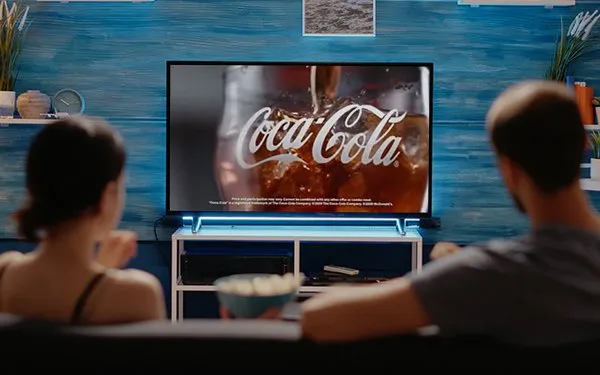
retail marketing tips: people sitting on couch watching coke commercial on tv

Traditional Methods Make Mass Distribution Easier

The same radio, TV, or print ad can run unchanged on thousands of channels across the nation while every digital channel has its own range of formats. With digital platforms, a variety of information must be collected to determine the success of the campaign, including:

  • Message type
  • Message length
  • Size of the image
  • Means of engagement

Unique metrics must also be obtained, which is why applying time-tested retail marketing tips can simplify and strengthen large-scale growth marketing campaigns in today’s digital world.

retail marketing tips: print

Digital-only campaigns require a deep understanding of your target audience as well as their mobile and online habits. These habits are always evolving due to the continually changing platforms and devices of the digital world. Digital ads that work on Facebook may not make an impact on other social media channels.

With unchanged formats and consistent options, TV, radio, and print are familiar and comfortable options for audiences and are easier to track and predict for a marketer.

Digital Strategies Are Still A Crucial Tool In The Realm Of Retail Advertising

Like any advertising, digital marketing has its limitations, but it is still a viable way to reach your target audience. Digital elements are essential to the success of your campaign, so it is important to find a strategic balance, where you allow the media strategy to lead the way, rather than the tactics.

Don’t be distracted by the next new thing in the digital world, stick to retail marketing tips that align with your brand strategy and long-term goals. It is important to focus on the digital platforms or channels that make sense for your brand and your marketing goals rather than wasting your time on a new channel, app, or platform just because it’s new.

Integrated Retail Advertising Plans Take Your Business Farther

A more profitable approach to marketing begins with understanding your marketing goals, brand identity, and applying the right retail marketing tips to guide your strategy. This will help you determine which digital channels will offer your business the best fit and the most budget-friendly path to a successful campaign.

At Nartak Media Group, we can expertly assist you in developing an integrated retail advertising plan. With extensive experience in media planning, we can provide you with expert insight into the best media sources and programming for your unique brand. We will work with you to help you determine your advertising goals, your target audience, and the best medium for communicating with your customers.

Contact us today to learn more about how we can help you effectively plan and purchase to ensure your advertising needs are exceeded!

Nartak Media Call to Action - CTA saying "let's talk"

Nartak’s Advertising Budget Breakdown: Tips for Stretching Your Ad Dollar

With the world of advertising changing rapidly, it is easy for business owners to become overwhelmed with the wide range of new alternatives available. This large volume of choices can make it difficult to develop a budget-friendly media plan. Nartak Media Group wants to share a helpful advertising budget breakdown to help you get the most out of advertising. Continue reading “Nartak’s Advertising Budget Breakdown: Tips for Stretching Your Ad Dollar”

Understanding Political Media Buying

illustration of people in a political campaign - sign holding, political media buying, speechesAdvertising during the political season can be daunting, especially for local or small businesses who may not have as deep pockets as the political candidates themselves. However, there are some valuable tips and insights we can share to help you make the most out of your political media buying.


Understand the political landscape

First things first, it’s crucial to understand the political landscape. This includes identifying the types of races and candidates that will be on the ballot, as well as the key issues that are likely to resonate with voters. For example, some media outlets may lean a certain political way, which will attract viewers of a particular demographic. This will help you determine the appropriate messaging and targeting strategies for your campaign.


Understanding How Voting Season Affects Political Media Buying 

Another crucial factor to consider is the impact that the political season can have on media buying. Costs may skyrocket, and spots may not even run during the prime time slots that you had hoped for. This is where flexibility and creative thinking come into play.

Consider exploring alternative advertising options such as digital marketing, which can help you drive leads and get your message out to potential customers at a lower cost. At Nartak Media, we have a wide range of digital advertising options to help you effectively reach your target market. Radio advertising is impacted less by political advertising so that may be a good alternative as well.

Roll of stickers that say "I Voted" with American flag design


Is it Worth it to Purchase Advertising During the Political Season?

For some local businesses, the answer is yes! Many businesses need to keep their name out there to keep their business running. At Nartak Media Group, we will take into account the unique needs and goals of each client and help them develop a media strategy that works best for them. The plan may include broadcast TV in programming where politicians are less likely to advertise, Cable TV, Outdoor, Digital, Social Media, in Malls or even advertising in Movie Theaters.

Woman placing voting ballot into box with American flag design


Tips for Effective Advertising During the Election Season

If you plan to advertise during this busy season, consider these tips to help you plan and advertise effectively:

Plan ahead. During this busy advertising season, inventory will be limited, so be sure to plan and book your advertising early.

Buy local TV sponsorships. Buy television sponsorships in weather, traffic, or primetime lineups. These “television billboards” are a short recognition of sponsors during a television broadcast that includes the sponsor’s logo and an announcement of “brought to you by” the name of the sponsor. These local sponsorships can help your message reach your target audience even in a market saturated with political ads.


Tips for political media buying

Perhaps you’re not a small business, but a local politician looking to do some advertising. Perfect! Here are a few pointers just for you


Targeting the Right Audience

One of the key benefits of political media buying is the ability to target specific audiences. This can help you to reach the voters who are most likely to be receptive to your message. There are a variety of targeting options available, including geographic targeting, demographic targeting, and interest-based targeting. It’s important to identify the appropriate audience for your campaign in order to maximize its effectiveness.


Navigating compliance and disclosure agreements

Political advertising is subject to a variety of compliance and disclosure requirements, including disclaimers, sponsorship identification, and reporting requirements. It’s important to understand these requirements and ensure that your ads are in compliance with all relevant rules and regulations. Failure to comply with these requirements can result in significant penalties and legal challenges.


In addition to these tips, you can work with Nartak Media for effective political  media buying and media planning services that will help you beat the political advertising flood this year. With over 30 years of experience in media planning and buying, we have the expertise to help you develop effective advertising campaigns, no matter the time of year.

Don’t lose leads and exposure to the political oversaturation, call Nartak Media Group today to learn how we can meet your advertising needs!

Nartak Media Call to Action - CTA saying "let's talk"

What is a Media Strategy? A Clear Definition for Modern Brands

Are you wondering what is a media strategy or why you need it? Brands that perform well don’t happen by accident. There’s a lot of media strategy that goes into the tactics, channels, and methods of reaching consumers and at various points of engagement. And, at the end of the day, you gain insight into what works for the next campaign.

So what is a media strategy, and why is it important? Let’s get into it.

Media Strategy Definition: What Exactly Is It?

people meeting over a media strategy

Brands must have a clearly defined media strategy if they want to win in Pittsburgh’s cutthroat market. A media strategy is a detailed plan that specifies how a brand will communicate with its target audience through multiple media platforms, including print, radio, television, and digital media.

When asking “what is a media strategy,” it involves a brand reaching the right people with the right message at the right time by identifying the target audience, choosing the most efficient channels, developing appealing messages, and evaluating the strategy’s effectiveness. Without a media strategy, brands run the danger of wasting money on audience-unresonant strategies, which will result in a low ROI and missed opportunities.

Having a media plan is even more essential in the competitive and dynamic business environment of Pittsburgh. It enables brands to optimize their marketing budget by ensuring that resources are allocated to the most effective channels, maximizing exposure and sales.

How do I get started? 

At Nartak Media we find that it’s helpful to develop a strategy based on many key factors relevant to you and your business. A few examples include:

  • Target demographic
  • Marketing goals
  • Creative asset availability
  • Budget

people meeting in an office over a media strategy

Why Do I Need A Media Strategy?

  • Keep advertising purposeful. Sure, you could wing it—trying one thing after another. But in our experience, that merely drives your advertising costs through the roof and cannibalizes your available impressions.
  • Don’t overspend. An experienced, motivated media buyer will negotiate savings for you off published rates and then put those savings into exposure, for example.
  • Be efficient. You don’t want to duplicate efforts or lose opportunities to coordinate multiple locations that can strengthen your strategy.
  • Be strategic, not reactionary. Don’t simply buy an ad because it seems like a good price. Even a good deal on an ad that isn’t relevant is lost money for you.
  • Gain market share and grow your exposure. By being strategic, you get the most out of rate, added value, and potential sales.

How do I measure the effectiveness of the media strategies?

hand typing on keyboard with analytics graphics

A media strategy’s success depends on measuring its effectiveness. It is possible to assess whether or not a brand’s media strategy is effective with accurate measurement.

By examining numerous metrics, including website traffic, engagement rates, conversion rates, and sales, brands can assess the effectiveness of their media strategy. Brands can find areas for improvement and modify their approaches by gauging the strategy’s effectiveness. They may improve their messaging and further optimize their media channels by gaining insights on the tastes and behavior of their target audience.

FAQs

  • What is a media strategy?

A media strategy is a comprehensive roadmap that outlines how your business will deliver its message to a specific audience. It involves selecting the right mix of channels, such as TV, radio, digital, and print, to ensure your advertising reaches the right people at the most impactful time.

  • Why is a defined media strategy important for small businesses?

For small businesses, every dollar counts. A defined strategy prevents “wasteful spending” by ensuring your budget is only spent on platforms where your customers are actually active, rather than guessing which ads might work.

  • What are the key components of an effective media strategy?

The core components include clearly defined marketing goals, a deep understanding of your target demographic, a specific budget allocation, and a system for measuring ROI through metrics like conversion rates and website traffic.

  • What are the primary goals of a media strategy?

An effective media strategy aims to increase brand awareness, drive engagement, and maximize conversions. By defining your target audience and selecting the right channels, the strategy ensures that every advertising dollar contributes toward a specific, measurable business objective.

  • How long does it take to see results from a new media strategy?

While digital components can show engagement metrics almost immediately, a comprehensive media strategy usually requires a full campaign cycle (typically 3 to 6 months) to accurately measure long-term growth in brand awareness and market share.

Interested in learning more about media strategy?

Call Nartak Media today to learn how we can work together to develop a media strategy for your business.

We can help you gain the information you need to be more strategic, spend less, and expand your customer base.

Nartak Media Call to Action - CTA saying "let's talk"

How Does Media Buying Work? Understanding the Strategy Behind Effective Advertising

Media buying has seen a transformation over the years. Gone are the days of regional TV broadcasters and limited radio channels and newspapers in major cities. With the advent of the satellite TV boom and media proliferation […]

Media buying has seen a transformation over the years. Gone are the days of regional TV broadcasters and limited radio channels, and newspapers in major cities. With the advent of the satellite TV boom and media proliferation, the media marketplace has encountered many changes in recent years.

If you’ve ever wondered how does media buying work in today’s fast-changing digital environment, the answer lies in understanding how strategy, data, and creativity come together to reach the right audience at the right time.

Understand how does media buying work today

Media buying is the process of purchasing advertising space across various platforms, TV, radio, digital, print, and more, to get your brand in front of the right audience. But how does media buying work in a world where consumers use multiple screens and channels daily? It’s about combining data, negotiation, and strategy to ensure every ad dollar is used efficiently.

media buying

The Media Buying Process Step-by-Step

To understand how media buying works, it helps to know the typical process:

  1. Research: Identify your target audience and where they spend their time.

  2. Planning: Develop a media strategy based on budget, timing, and goals.

  3. Negotiation: Work with media outlets to secure the best rates and placements.

  4. Placement: Launch the campaign across selected channels.

  5. Monitoring: Track performance and optimize based on real-time data.

This quick step-by-step adds substance and keeps readers engaged while improving keyword density naturally.

Here are some of the major reasons it’s best to be strategic when it comes to media buying.

Media buying is brand-specific

What does this mean? Rather than bid for a large amount of the available inventory of space and time, and merely distribute this among brands an agency partners with, it’s important to focus on the space and time that a brand requires.

When learning how media buying works, it becomes clear that not every placement delivers equal value, brand alignment is crucial.

The way we consume media has changed, so must the buying

With the advent of mobile devices, consumers are inundated with digital content, social media, web radio, digital music, and more. This creates an environment where media buying must be multi-media, adding considerable complexity.

There is no one-size-fits-all approach. Media buying is shifting to being strictly consumer-centric where it addresses the specific brand. Understanding how does media buying work in this new digital landscape helps brands adapt their strategies across platforms effectively.

Access to consumer data enhances our ability to target

target audience

Using technology and algorithms to our advantage, we now are able to access and leverage granular consumer data to target consumers with laser precision. We can target by demographic, purchasing patterns, attitude, behavior, motivation, life stage and more, all in real time. That’s impressive.

This precision is one of the key answers to how media buying works today, it’s data-driven, dynamic, and constantly evolving.

Knowing the Brand is King

The better able we understand a brand, its consumer, its partners, and its position, the better we can take and use the information we have access to and strategize.

Bigger isn’t necessarily better

Today, the best value comes about through in a variety of tangible and intangible ways, through various strategic initiatives:

  • Relationships between media buyers and sellers
  • Benchmarking
  • Competition
  • Media research data
  • Brand investment
  • Cross-media investment

huge advertisements

Interested in learning more?

While there is no magic bullet when it comes to media buying, one thing is certain. Partnering with an experienced, motivated, and dedicated team such as the media buying experts at Nartak Media Group is the key to success.

If you’ve been asking yourself how does media buying work and want to see how strategic planning and expertise can amplify your advertising efforts, contact Nartak Media today to learn how we can help your business grow.

Nartak Media Call to Action - CTA saying "let's talk"

Scatter Advertising: What is it and 3 Buying tips

Scatter advertising is a media buying strategy television networks use to sell air time at higher rates. Need to position a product at the last minute? […]

Scatter advertising is a media buying strategy that television networks use to sell airtime at higher rates. It is an attractive option for businesses looking to position their products at the last minute. However, scatter airtime can sell for up to 30% more than advertising rates earlier on, so businesses need to approach it strategically to make it worth their while. In this article, we will explore scatter advertising in more detail and provide some useful tips for businesses looking to use it effectively.

Understanding Scatter Advertising

Scatter advertising involves buying ad space on TV networks closer to the airdate, usually around two weeks before the program is set to air. Unlike upfront deals, which can be negotiated in terms of premium slots and frequency, scatter advertising rarely allows for that kind of strategy. You cannot supplement another ad to make up for an audience shortfall. However, there is an upside. Since scatter advertising is purchased closer to the airdate, you know which programs are popular and can plan accordingly instead of guessing too far in advance and getting it wrong.


Man holds tv remote while watching tvBenefits of scatter advertising

Scatter advertising offers a number of benefits that make it an appealing media buying strategy for advertisers. One major advantage is the flexibility it provides. With scatter advertising, advertisers have the ability to adjust their strategies and reach their target audience with more precision. They can choose to buy airtime closer to the airdate, which means they have more up-to-date information on program popularity and can tailor their ad placement accordingly. This can lead to more effective ad campaigns and higher returns on investment. Another benefit is the ability to reach a more targeted audience. By using scatter advertising, advertisers can buy airtime in specific geographic regions or during specific times of the day when their target audience is most likely to be watching TV. This allows for more effective messaging and a greater chance of success. Finally, scatter advertising provides a solution for last-minute campaigns or urgent messages that need to reach a broad audience quickly. In situations where timing is critical, scatter advertising can be a valuable tool for getting a message out to the masses in a timely and cost-effective way.

Here are 3 scatter advertising buying tips:

1. Know what kind of advertising you’re getting into

It’s a balancing act: you want the best time slot for the best value, right? Unlike upfront deals, which can be negotiated in terms of premium slots and frequency, scatter advertising rarely allows for that kind of strategy. So, you can’t supplement another ad to make up for an audience shortfall.

However, there is an upside. Since scatter advertising is purchased closer to the airdate, you know which programs are popular and can plan accordingly instead of guessing too far in advance and getting it wrong.

Two media buyers look at computer and charts for media plans

2. Local spots may be better than national

Do you need a national TV campaign? Sometimes staying close to home with local markets is more effective. It might also make more economic sense to buy targeted local spots rather than national scatter.

Take the recent political election, for example. Less money was spent on local advertising in states that tended to lean toward one party or the other. However, the swing states were the ones political advertising campaigns focused on.

3. Consider what’s happening in the country

Is the market up or down? Are we in the middle of an election? By knowing the current economic and political climates, you’ll be better able to gauge the effects of your advertising on your demographic. This presents a wonderful opportunity. Last minute media buys aren’t necessarily a bad thing.


Two politicians shake hands

How to measure scatter advertising success

Ascertaining the efficacy and worthiness of a scatter advertising campaign necessitates measuring its success. Various metrics can be employed to achieve this goal, and one such metric is the response rate, which measures the number of individuals who acted upon seeing the advertisement. This response could take the form of visiting a website, calling a phone number, or purchasing a product, among others. Another way to measure success is by scrutinizing the campaign’s return on investment (ROI), which involves evaluating the revenue generated from the campaign relative to the amount invested in it. Positive ROI is a clear indicator that the campaign was successful in generating revenue. Furthermore, tracking brand awareness and customer engagement can provide valuable insights into the campaign’s overall impact on the target audience. The analysis of these metrics helps advertisers to make informed decisions about future scatter advertising campaigns and improve their strategies for better results.

Scatter advertising can be a valuable tool for businesses looking to position their products at the last minute. However, businesses need to approach scatter advertising strategically to make it worth their while. By following the tips outlined in this article, businesses can maximize the effectiveness of their advertising campaigns and reach their target audience.


Ready to talk?

Are you interested in the help of an experienced media strategist—someone to negotiate on your behalf and leverage the scatter market? Reach out to Nartak Media Services to learn how we can secure advertising media buys for your business.

Are DVRs Still Relevant? Understanding The Streaming Impact On DVR

The advent of the DVR, a digital video recorder, had advertising professionals concerned over the future of TV advertising. Would viewers speed through the commercials, missing the brand awareness and messaging? […]

The advent of the DVR, a digital video recorder, had advertising professionals concerned over the future of TV advertising. But with streaming’s impact on DVR usage, many now wonder: are DVRs still relevant in today’s media landscape? Would viewers speed through the commercials, missing the brand awareness and messaging? This blog will reveal interesting results from studies.

Are DVRs Still Relevant? DVR adoption is on the decline

Surprisingly, DVR penetration of households has fallen shorter than originally anticipated. A recent consumer-technology study of U.S. households by Forrester Research showed DVR usage is on the decline. Much of this is in response to TiVo and the like. This shift highlights the streaming impact on DVR usage, as more households now prefer on-demand platforms over recorded TV.

are dvrs still relevant

Do DVR users prefer recorded programming?

The answer may surprise you. Sports, Olympics, news, special events, and annual broadcasts such as award shows and political debates are always better viewed live.

Almost half of the adults surveyed prefer live TV or at least default to that first before going to recorded content. That’s how they watch TV. A smaller percentage do watch recorded programs. Whether this is by habit or for some other reason, such as the ongoing popularity of reality television that enables viewers to interact by casting votes, is undetermined. While some viewers still rely on DVRs, the rise of streaming platforms has changed viewing habits, raising questions like: are DVRs still relevant for the average household?

Who are the DVR users?

DVR users tend to be younger and more affluent—often the exact demographic an advertiser is targeting. More than half of DVR users are under 45 years of age. However, because only one show can be recorded at a time, plenty of viewers are still viewing TV live.

Are DVRs helpful when it comes to commercial viewing?

On the flipside, some studies reveal that because of DVRs, the commercials are being viewed by the target market more often. Without the ability to prerecord certain shows that aired while viewers were away from the home, viewers may not have seen the commercials anyway. Now, more viewers are able to see the programs they want to see.

Could it be that a primetime commercial can rise in the days following the broadcast—thanks to DVR usage? Perhaps this lift, which has been shown to hold steady over the recent years, can actually help advertisers.

The Rise of Streaming and Its Impact on DVR

The biggest factor shaping the future of DVRs is the explosive growth of streaming platforms. Services like Netflix, Hulu, and Disney+ offer on-demand content without the need to record shows in advance, which directly impacts DVR usage. Viewers who once relied on DVRs to catch their favorite programs can now stream them anytime, anywhere.

This shift raises the question: Are DVRs still relevant in an age where streaming dominates? While DVRs still serve households that prefer traditional cable, the convenience and flexibility of streaming make them less essential. For advertisers, this means strategies must adapt, balancing the decline of DVR with the opportunities streaming provides.

streaming services

Clever Advertisers are continually seeking ways to leverage DVR usage

More targeted advertisements are the way to go. For example:

  • Contextual advertising: which discourage viewers from fast forwarding through a commercial break. For instance, if an ad piggy-backs on the nature of the show, it can actually increase viewer interest. A drama series that features related advertisements could work very effectively.
  • Addressable advertising: create highly targeted ads and send them to certain demographically chosen viewers based on their interests. For instance, a media outlet could partner with DIRECTTV to tailor the message and recipient. Certain advertising would be run in homes based on the viewers interest, keeping it relevant. The ads would be streamed and stored on DVRs. Ultimately, while DVRs still play a role in certain households, the streaming impact on DVR use continues to reshape how audiences consume content, and advertisers must adapt

Want to learn more about how Nartak Media Services can leverage television advertising for you today? Call us for more information.

Nartak Media Call to Action - CTA saying "let's talk"

How to Maximize Your TV Advertising Budget: 5 Media Buying Tips

How do you leverage advertising for your business? Are you getting the best placement and buys for the least amount of investment? […]

How do you leverage advertising for your business? Are you getting the best placement and buys for the least amount of investment? Are you finding the best way to maximize your TV advertising budget? It’s important to understand the ins and outs of media buying when it comes to advertising—or partnering with the people who do.

At Nartak Media, we help businesses achieve their goals through TV, radio, billboard, digital advertising, and other mass media. Here are five tips you might be surprised to learn.

1. You can negotiate

Here’s a little secret to help you maximize your TV advertising budget. Did you know media never sells out? Outlets always have an inventory—you just have to find it and be persistent. Negotiate the best rates. Expect and ask for the best schedules and times.

2. Certain time slots are harder to get than others

Like anything, the more demand, the harder it is to negotiate, but the best negotiators will clinch the spot. For instance, during an election year, you will be hard-pressed to compete for air time. Same with the morning commute. This is just something to consider as you plan your strategy.

3. Ever heard of value-added bonuses? Don’t let them sway you

Here’s the insider’s secret: value-added bonuses don’t have much value. They are simply the balloon handed to you as you walk out the door to make you feel good at the end of a transaction. You want an experienced agency to negotiate your media buying. If a station is offering a value-added bonus, and an agency is jumping up and down about it, they don’t understand what’s really important.

4. Focus on results, not that prime time TV slot

Sure, it sounds good to be airing your company’s ad during a major sports event—but is that the best way to maximize your TV advertising budget? Or might there be a far better deal with greater viewership for your products or services elsewhere? The highest-rated shows are the most expensive so choose wisely. This is where an experienced media buying agency will be able to strategize best.

graphic of media buying - for how to maximize your TV advertising budget

5. Do what’s best for your company and budget

Not able to reach your target audience on your budget? It’s okay not to use TV advertising. It’s not for every company. If the rates are too high, don’t buy them. Your goal should be 3-5 times per week per station on Cable networks otherwise it might not make sense at all.


Maximize Your TV Advertising Budget With Nartak

Are you interested in a professional media planner to negotiate on your behalf? Reach out to Nartak Media Services to learn how we can secure advertising media buys for your business and maximize your TV advertising budget.

Nartak Media Call to Action - CTA saying "let's talk"

Radio Advertising: Know Your Radio Audience

Are your radio ads reaching the right people? How do you know? You may want to consider your plan and find the station that speaks to your target. […]

Are your radio ads reaching the right people? How do you know? You may want to consider your plan and find the station that speaks to your target.

What radio station do you listen to?

There’s a reason why listeners pre-program certain stations into their smartphone or car radio. While some may prefer the latest hits or newscasts, others are tapping their fingers along to holiday music, “the oldies,” or belting out Country tunes.

Marketers and media planners know this. We count on this.

Every demographic has preferences, and it’s our job to know how those preferences affect media planning. In fact, we compile research from companies who are in the business of conducting surveys and employing wearable meters to collect listener data for local and network radio and TV audiences. We use that information to base our decisions on where to buy ads.

It’s a careful science. Some might call it an art.

Radio station ratings and annual reports are useful in that they provide insight to what listeners respond to and when—such as talk radio during weekday mornings, which has the largest audience.

We also learn about genres of music and who prefers them:

  • Spotify and Pandora draws the greatest numbers of teens and millennials (18-34) via smartphones and tablets
  • Country music has the most followers during the day
  • Adult contemporary has the most female listeners
  • Pop is fiercely popular among teens and young adults
  • Classic rock is the choice among middle aged men
  • Rhythmic contemporary hit is popular in urban, diverse areas
  • Mexican is the choice among Hispanic listeners and adults 25-34
  • Contemporary Christian has the broadest appeal, across ages 12-64

On air sign and radio recording boothReach out to Nartak Media for help planning your radio advertising
You know your audience better than anyone. We’re in the business of knowing how to reach your audience. All of this knowledge is useful when planning where to allocate spending. Call Nartak today to see how you can reach your audience best.

Helpful Tips To Maximize Your TV Budget

We’re in the business of helping you get noticed by the right people at the right time. Sounds easy, right? There’s a little more to it, and here we’ll offer a few tips on getting the most out of your television budget. […]

We’re in the business of helping you get noticed by the right people at the right time. Sounds easy, right? There’s a little more to it. There’s a lot to consider when you want to maximize your TV budget, but here we’ll offer a few tips on getting the most out of your television advertising budget.


Key Factors to Maximize Your TV Budget:

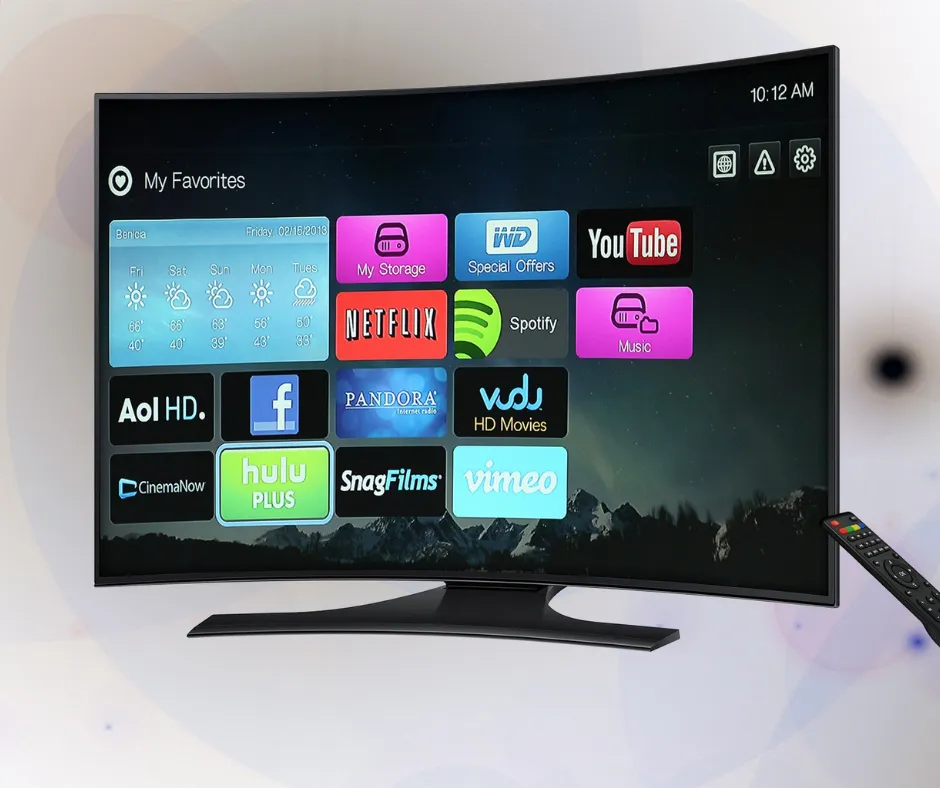
remote going through streaming platforms on television

TV media buying does not have to break the bank. Sure, advertising during a highly televised event such as the Super Bowl will cost you a pretty penny. But there are more efficient and savvy ways to reach your target consumer.

TV is still a great avenue to pursue. Television watching is on the rise, especially because of an aging population.

What is the goal of your campaign? The better able you are to quantify the results, the better you’ll be able to gauge its success.

Who is your ideal customer? Researching who this demographic is, where they live, and what they watch and when are all important aspects of your TV media strategy.

What is your budget? How much are you willing to invest on TV advertising? This will dictate where you go from here.

How do you save on the cost? Buy early—such as during the first and second quarters. Buy local. Buy in bulk for the volume discounts. Choose cable over broadcast which tends to offer a variety of programming so marketers can target the ads to certain audiences.

Use a professional media buying agency—such as Nartak Media. Media buys require negotiation and experience. You gain all kinds of resources when you turn to a professional agency, and better yet, you’ll be free to focus on your core business.


Call Nartak Media Today!

business people shaking hands

Leave the advertising strategy to us. You will benefit from a variety of relationships with vendors and television stations that Nartak Media has worked hard to develop over time. Best of all, you can offload the work to us!

Nartak Media Call to Action - CTA saying "let's talk"

What First-Time Television Advertisers Need to Know: How Much Does It Cost to Advertise on TV?

If you are considering using television for the first time, you may have questions. We have taken a few minutes to put together some of the most frequently asked questions first time advertisers have and added them here. […]

Television advertising remains one of the most effective ways to reach a broad audience, even in a digital-first world. For first-time advertisers, the biggest questions are often about budget: “How much does it cost to advertise on TV?” and “How much does a commercial cost to produce?” The reality is that costs can vary greatly depending on your goals, the market you’re targeting, and the style of your commercial.

This guide answers some of the most common questions new advertisers have, so you can feel confident about taking your first step into television advertising.

Television Advertising

If you are considering using television for the first time, you may have questions. We have taken a few minutes to put together some of the most frequently asked questions first-time advertisers have and added them here.

How much does it cost to advertise on TV?

You can often create a strong television campaign that meets your goals and objectives for less money than you might think. An experienced advertising agency can help you find the right combination that will work for your particular situation and budget.

tv advertising

The cost to advertise on TV depends on several factors, including which markets you want to reach, the time of day your ad runs, and the number of times it airs. Local cable advertising can sometimes be surprisingly affordable, with options for small businesses looking to stay within a modest budget. Larger regional or national campaigns, especially during prime-time hours, will naturally require higher spending. An advertising agency can help determine the most effective use of your budget so you get the best return on investment without overspending.

Which stations and programs should I buy? Broadcast TV Stations or Cable Networks?

Esatellite for cable tvach media can work if you use it properly and use the right media for the right reason. One common mistake new advertisers make is equating the number of commercials with the effectiveness of a campaign. More commercials do not ALWAYS mean that your message will be see by MORE people…or even by the RIGHT people.

Your choice of broadcast vs. cable doesn’t just affect reach, it also impacts cost. National broadcast networks typically cost more, while local cable channels may provide a cost-effective way to reach targeted audiences. When planning your campaign, consider both where your audience spends their viewing time and how much it will cost to advertise on TV across those different platforms.

We have expertise in virtually every business categories. The more we can learn about your business, the better we advise you on media choices.

How much does a commercial cost to produce? Who should I have produce my TV commercial?

Your commercial message is equally important as which media you choose. In fact, if you have a lower media budget…having an effective commercial message becomes EVEN MORE important. Your television message needs to engage people, give them a reason to want to watch it. Your message needs to speak directly to the end user of your product, the person that makes a decision on using your business or product over your competitor. Your message needs to be memorable, something that will “stick in viewers minds” after the commercial is over.

The cost of producing a TV commercial can vary widely. A simple commercial using in-house footage and graphics may cost only a few thousand dollars, while a professionally produced spot with actors, a set, and post-production editing can cost significantly more. Keep in mind that even with a smaller production budget, a creative and well-targeted message can be just as effective as a high-budget production.

how much does a commercial cost

Nartak Media Group can guide you through the television advertising process from preliminary concept to the finished commercial, at a price you can afford.


Factors that Influence the Cost of TV Advertising

factors to consider that affect the cost of advertising on tvWhen asking “how much does it cost to advertise on TV?” it’s important to understand that there isn’t a single flat price. Instead, several variables determine the final cost of your campaign.


  • Market Size: Advertising in a large city or on a national network typically costs more than running a local spot in a smaller market.
  • Time Slot: Prime-time commercials (evenings, during popular shows) come at a premium, while daytime or late-night slots are more affordable.
  • Ad Length: A 15-second spot costs less than a 30- or 60-second commercial, though longer ads may allow more storytelling.
  • Frequency & Reach: The more often your ad airs, and the broader the audience, the higher your total budget.
  • Production Quality: Even before your spot hits the air, how much a commercial costs to create will depend on the level of production, from simple in-house ads to high-quality, cinematic spots.

Examples of Television Commercials by Nartak Media Group

If you’re wondering how much does it cost to advertise on TV, reviewing examples of past commercials can help you see the range of styles and production quality available.

Below are some TV spots we’ve created for clients:

Conclusion

Understanding how much it costs to advertise on TV and how much a commercial costs to produce can help you set realistic expectations for your campaign. While costs vary, working with an experienced advertising agency ensures your message is strategically placed and effectively produced.

If you’re ready to explore television advertising, Nartak Media Group can guide you through the entire process, from concept to finished commercial, to maximize the impact of your investment.

Nartak Media Call to Action - CTA saying "let's talk"

Saturation Advertising: The Key to Any TV or Radio Campaign

Advertising campaigns are an essential part of marketing. Your competitors are investing dollars in their radio advertising, and in order to protect your market share, you will too. The question is: how much? […]

Advertising campaigns are an essential part of marketing, and at times the concept of saturation advertising comes into play. Your competitors are investing dollars in their TV and radio advertising, and to protect your market share, you will too. The question is: how much?

Short of falling prey to a “trial and error” approach, where you throw darts at a wall and see what sticks, it can be tricky knowing how and where to spend your time and money.

That’s where an advertising agency such as Nartak Media comes into play.

You don’t have to spend more to produce the maximum market share.

Are you spending the same on your marketing campaigns as you did last year, just because? Fortunately, help is available. When you partner with an advertising agency such as Nartak Media, you are one step ahead. That’s because we have strategies that are tried and true.

When it comes to saturation advertising, what is your saturation point?

Often, companies will ask themselves ‘How much do I have to spend?’ And at what point have I spent too much? When it comes to advertising, there is a saturation point — that is, the moment when you cap out on additional sales and when you have to question whether additional action justifies the cost. The goal is:

  • The best budget places just enough ads to reach the saturation point and not a dollar more.
  • You optimize your overall profitability by not spending on advertising what you can’t recoup in revenue

Is it possible to identify saturation points for every product?

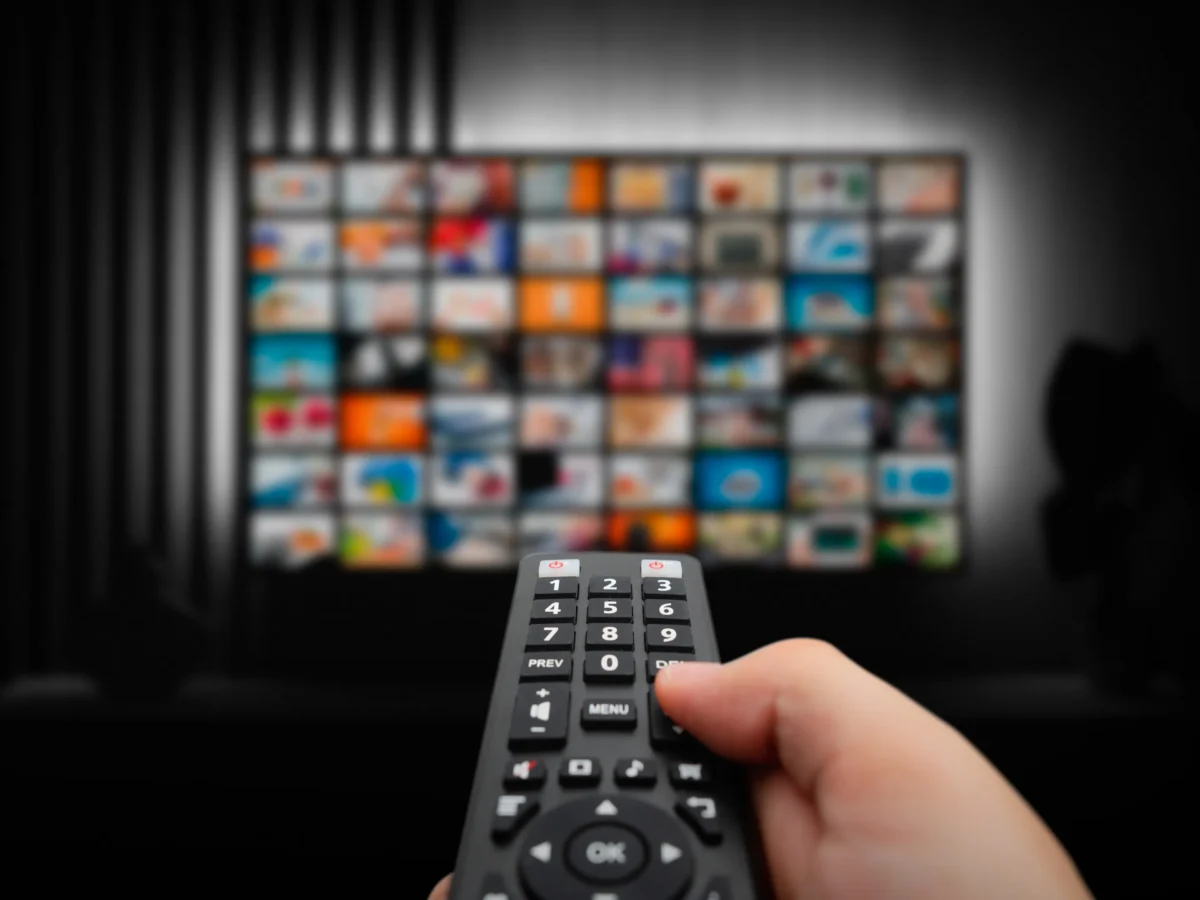
Saturation Advertising - hand holding remote pointed at a TV screenNo. But they are consistent in certain categories. That’s where an agency that’s been successful for as long as Nartak Media has will give you an advantage. We’ve measured the success of not one, but many companies, and over time. We know what works best.

Nartak can help guide you based on your industry and based on our experience. Here’s how:

  • We chart the pattern of media spent on television, radio, and print during a certain time frame.
  • Nartak will estimate the saturation point using statistics such as the number of products supported by a brand and the number of products launched per year
  • We evaluate your market share

By predicting advertising spending and estimating saturation points, we will help you determine if you’re overspending or underspending!

Reach out to Nartak Media today to inquire about your business.

Media Buying Factors That You Should Consider

When it comes to advertising, knowing where to put your dollars and how can make all the difference between an effective campaign and one that falls flat. […]

When thinking about media buying factors, it’s useful to consider your audience, the networks, and much more. It can be difficult to know where to start. That’s why we have prepared a helpful list of the media buying factors that you should consider. Continue reading this article to learn all about it!


Should I buy my ads by the show, by the network, or by the time of day?

Media Buying Factors That You Should Consider  When it comes to advertising, knowing where to put your dollars and how can make all the difference between an effective campaign and one that falls flat. Often companies will try various tactics, but because they’re not in the business of advertising, and may be throwing darts at what they hope will work, it’s hard for them to know which media buying factors are effective and which are not.

This is where an agency comes into play. An advertising agency such as Nartak Media can help you form a strategy that meets your goals. Our expertise spans the spectrum, from identifying your media buying goals, creating a plan to achieve those goals, and following up with measurement techniques to show you how well that plan was executed.

Who is your audience? What are their TV watching habits?

target audience for media buying factors - hand holding magnifying glass over icons of peopleWhen it comes to deciding factors that play into media buying, it’s useful to consider your audience. Below, we have provided some helpful media buying factors and questions to consider in reference to your audience:

    • Consider your Demographics! For example, does your audience fall into the category of adults aged 25-54? These are consumers who have money to spend.
    • What TV shows does your audience watch?
    • Who are the local affiliates?
    • What are the local broadcast options and how much do they cost? For example, if you’re chasing a wealthier group, maybe paid-for television such as cable is the way to go.
    • Does your demographic watch live television such as football games or America’s Got Talent, where voting is important to them? Or are they more likely to pre-record and curl up on the couch to The Big Bang Theory, fast-forwarding through the commercials?
    • Does your audience tend toward watching day time TV or evening? Evening spots are when the most popular shows air, but they also cost the most money.
    • What is the geographic location? For example, larger cities will cost more to air your ads than small towns.
    • Consider the Holiday craze! It is good to be prepared to pay bigger bucks during the fourth quarter of the year!

Additional Media Buying Factors:

There are so many media buying factors to consider in addition to your networks and audience. Below, we’ve provided a list of the most vital ones to consider:

    • Consider the supply of advertising spots, depending on length of TV show.
    • What is your ability to negotiate price depending on time of year?
    • What is the time of day you want to advertise depending on your demographic?
    • Choosing a station that attracts your target demographic is one of the vital media buying factors to consider.
    • Request your commercial air during a certain show. For example, if you are advertising cooking classes or a new bakery in town, you might want these to air during TLC’s Cake Boss.
    • Frequency of run times and mix of length of commercials are important media buying factors to consider for the length of the ad.
    • What is the visual appeal of your product or service?

Not sure where to begin?

An advertising campaign that includes TV advertising can be tricky, but with the right partner advising you on how to match your strategy with your business goals, and work within your budget, you are on your way.

Reach out to Nartak Media today to inquire how we can help you plan your media buying.

Nartak Media Call to Action - CTA saying "let's talk"

Pets in the Workplace

Recently, we spoke to Dr. Kenton Rexford, managing partner of Pittsburgh Veterinary Specialty & Emergency Center in the North Hills about the benefits having pets (specifically, dogs) in the workplace. […]

Recently, we spoke to Dr. Kenton Rexford, managing partner of Pittsburgh Veterinary Specialty & Emergency Center in the North Hills about the benefits having pets (specifically, dogs) in the workplace.

It’s no surprise, according to Dr. Rexford that pets at work put a smile on people’s faces!

Work can sometimes be a stressful place. It is well documented that dogs can reduce our stress and lower our blood pressure. Therefore, having your dog (or someone else’s) at work can be a great way to hit the reset button on your day’s stress level.

When people take breaks and “get away from” their work for short intervals, they are more productive than sitting at their desk for hours at a time.

Taking a dog outside, interacting with a pet, makes us take that “time out” we might otherwise ignore. Basically, if your dog needs to go outside…YOU will also go outside!

Dr. Rexford has been an employer since 1998, and one thing he’s noticed is that people appreciate the little things…sometimes even more than the big things. Having the ability to bring their pet to work is something employees value very much.

What about the dog’s point of view?

Dr. Kenton said, much like people, dogs are social animals. While we can’t read their minds, he believes if you had the ability to ask your dog if he or she would rather sit home alone all day or come to work and interact with you and your coworkers…your dog would reply with a resounding “Woof!” (“Let’s Go!” in dog-ese).

Thank you for your insight Dr. Rexford! As you can see from these pictures in our office, we wholeheartedly agree!

Good luck with your new location opening in the South Hills, August 28th.